
Beginner Guide
A Beginner's Guide to Getting Started in Gaming
Choosing your first platform, picking the right genre, and understanding how to learn without burning out — a practical primer for new players.
Read ArticleGaming Zebra is a free, editorial platform where you can learn how games really work — from core mechanics and multiplayer systems to genre histories and game design philosophy.
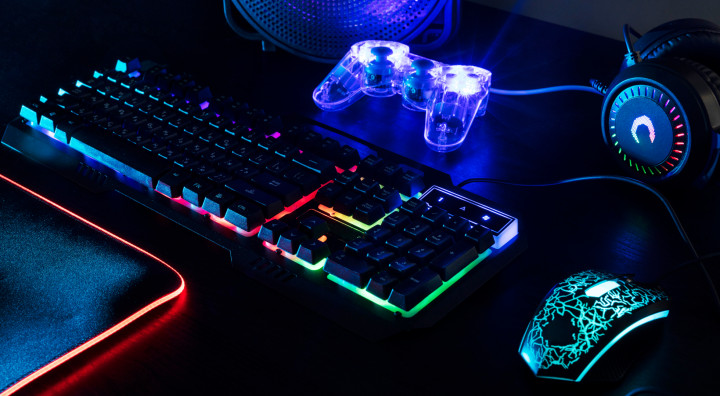
Three in-depth articles to get you oriented, whether you're brand new to gaming or looking to sharpen your understanding.
Choosing your first platform, picking the right genre, and understanding how to learn without burning out — a practical primer for new players.
Read Article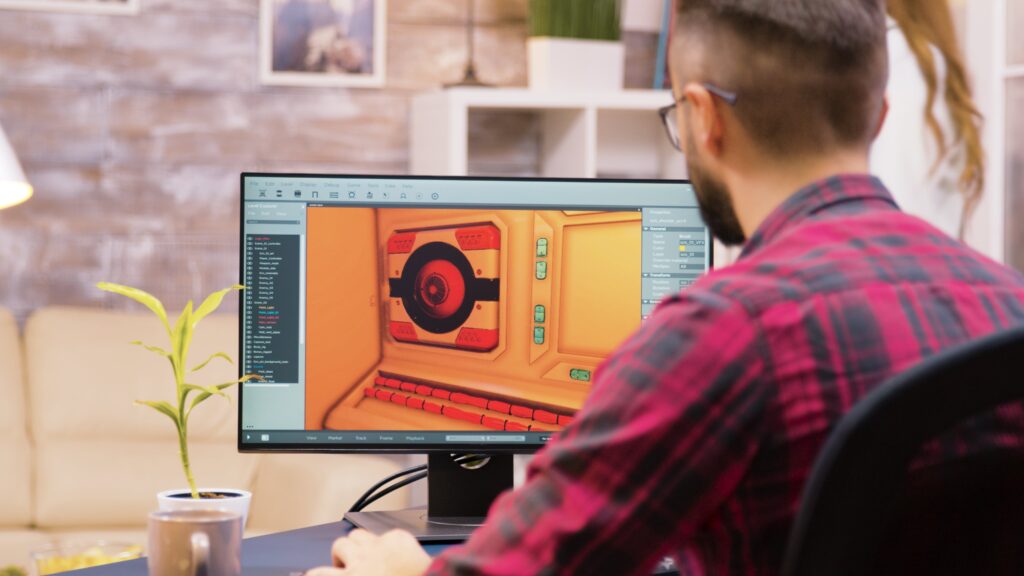
From hitboxes to game loops, this article walks through the systems that make modern games feel the way they do — without requiring a coding background.
Read Article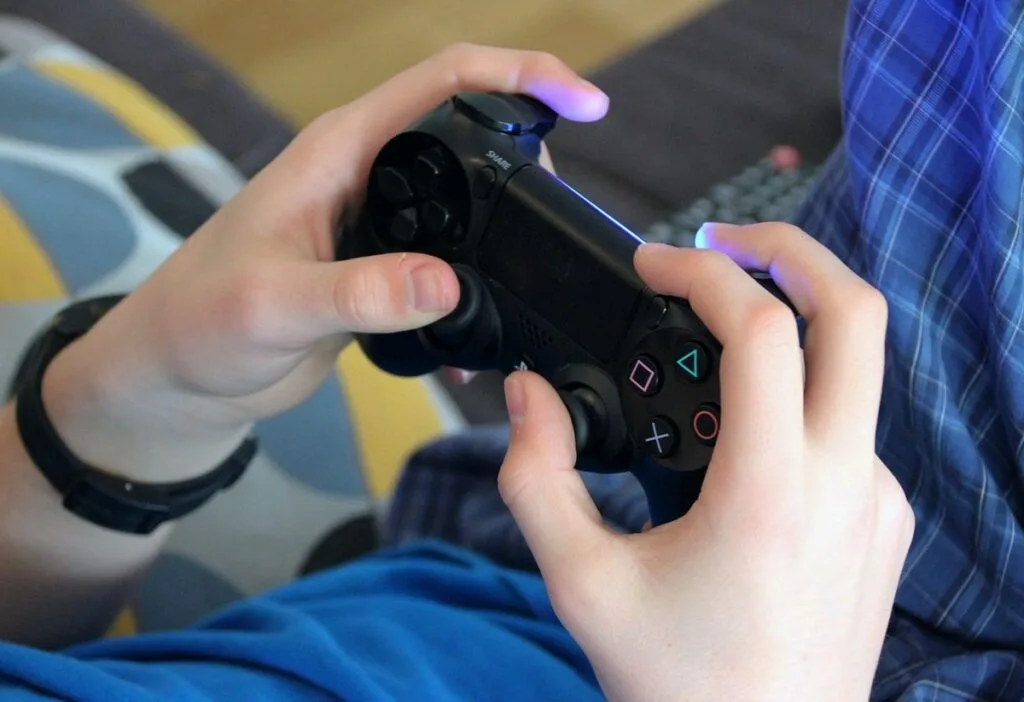
How matchmaking, lag compensation, server architecture, and social design shape the experience of playing games with other people online.
Read ArticleFPS games put you behind the eyes of the character, creating a sense of presence that third-person games don't quite replicate. They're built around reaction time, map awareness, and communication — especially in team-based formats like Valorant, Counter-Strike, or Overwatch.
For beginners, the genre can feel overwhelming because the skill ceiling is steep. But the mechanics are learnable: crosshair placement, pre-aiming, economy management, and utility usage all follow logic once you understand the underlying systems.
Learn Core MechanicsRPGs are defined by player agency. You build a character, make story choices, and level up systems over long play sessions. Whether it's the stat-heavy complexity of Divinity: Original Sin or the narrative depth of Baldur's Gate 3, the genre rewards patience and engagement with its systems.
Understanding how RPG mechanics like character builds, turn order, and inventory management work helps you engage meaningfully rather than clicking through menus hoping for the best.
Beginner's Entry PointStrategy games are about planning and resource management. Real-time strategy games like StarCraft 2 reward fast decision-making and multitasking, while turn-based games like Civilization allow you to think through each action carefully.
The genre has one of the highest knowledge floors in gaming — but the payoff of executing a plan successfully is uniquely satisfying. Learning build orders, tech trees, and unit counters is half the experience.
Explore MechanicsAdventure games are the most accessible entry point for new players. They balance exploration, storytelling, and light combat without demanding split-second precision. Games like The Legend of Zelda, Red Dead Redemption, and God of War excel at making players feel capable while still challenging them.
Open-world design in particular has reshaped what players expect from modern games — a sense of freedom, density of content, and player-authored moments that scripted experiences can't always provide.
Start Here
Sports games like FIFA, NBA 2K, and Madden simulate real-world athletics with varying degrees of complexity. Racing games span from accessible arcade titles like Mario Kart to deeply realistic simulators like Gran Turismo that model tire wear and fuel load.
The genre is particularly social — annual releases create shared cultural moments, and franchise modes add long-term strategic depth. Understanding the simulation vs. arcade spectrum helps you choose what fits your goals.
Online Play GuideThree different quizzes — from personality-based to factual knowledge tests. All run right here in your browser, no sign-up needed.
Skill in games doesn't grow in a straight line. Most players experience rapid early improvement, then hit plateaus that require deliberate practice to overcome. Understanding where you are in this curve helps set realistic expectations and keeps the process enjoyable.
The areas below reflect what generally matters most at each stage of development — from just getting comfortable with controls to understanding high-level meta reasoning.
* Approximate skill focus by average player at each development stage
Everything on Gaming Zebra is free, informational, and designed to help you understand games better.
Long-form, researched articles covering game mechanics, genre histories, design philosophy, and beginner guides written without jargon.
Browser-based quizzes to test your knowledge of gaming concepts or discover your player type. No account required, all results stay on your device.
In-depth breakdowns of how specific systems work — from damage formulas to matchmaking algorithms — explained in plain language.
A space focused on thoughtful conversation about gaming topics, without the noise of competitive drama or promotion.
A small, focused team of writers, analysts, and community managers — all with genuine backgrounds in gaming.

Ryan has been writing about games professionally since 2014. He focuses on making complex systems approachable for readers who don't come from a technical background.
Sophia studied interactive media design and spent three years analyzing game systems for a studio before joining Gaming Zebra. She specializes in mechanics deep-dives.

Daniel played competitive team-based games for years before shifting to writing. His articles on multiplayer systems come from direct experience with the concepts he explains.

Maria manages reader questions, community discussions, and ensures the platform stays focused on genuinely helpful content rather than clicks and controversy.
There's a difference between playing a game and understanding it. Most players develop intuition over time — they learn to avoid certain situations, prefer certain mechanics, and build habits. But intuition without understanding has a ceiling.
Gaming Zebra exists to fill in the gaps. We explain why games work the way they do: the design decisions behind their systems, the technical realities of how they run, and the social dynamics that emerge from them.
We're not trying to make you a professional gamer. We're trying to make you a more informed one — someone who can talk about games with more precision and get more enjoyment from them.
About Our Team